
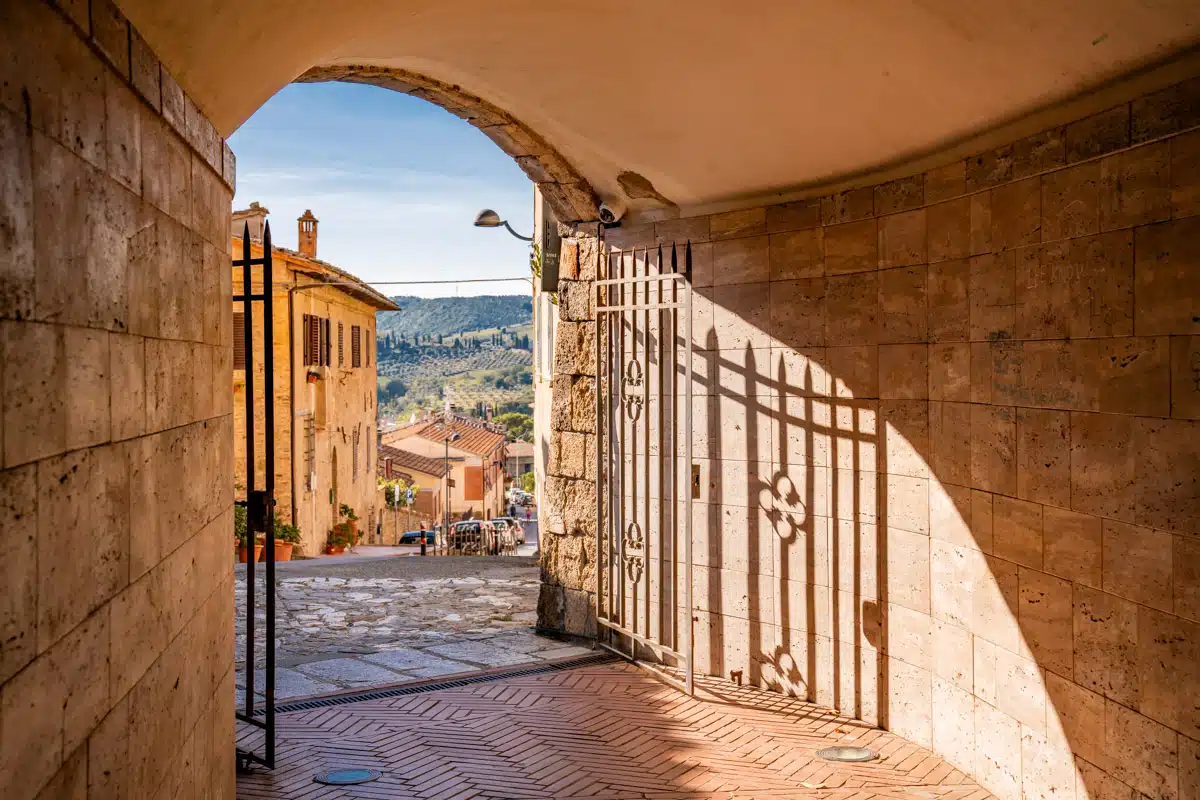
Europe
Italy travel guide
Italy is a fabled escape. From the delectable food and wine, to its picturesque villages and stunning coastline, to its fascinating history and varied landscapes, it’s one of Europe’s most sought after destinations. Discover with this insider’s Italy travel guide.
Destinations


Julianna BarnabyTravel and culture writer
It’s certainly a well-travelled country, with a well-established tourism industry, and yet its charm and attraction remain completely intact. Whether you’re after a perfect Mediterranean summer or an exciting winter escape, planning a trip to Italy is never a bad idea.
 10 Days in Italy Itinerary: A Whistle-Stop Tour of the Wonderful Bel Paese
 22 Unmissable Places to Visit in Tuscany
 29 Best Things to Do in Rome
When to go
Italy’s seasons are relatively predictable, with summer between June and August being the hottest and most popular time to visit the country. During this time, prices go up, the beaches are crowded and queues at many of the tourist sights are long.
However, Italy’s Alps and Dolomites region see their high season in late December to March when skiing is in full swing.
At the same time, many coastal areas are deserted and hotels close down for winter, meaning prices for most of the country drop significantly along with the temperatures.
The two shoulder seasons in Italy are the best times to visit the country. Spring, from March to May, and Autumn, from September to November, see far fewer crowds and for most of the time, relatively decent weather.
The months on either side of summer, May and June and then September and October are particularly good as the weather is warm without the overwhelming heat or crowds of summer.
Getting there and around
To help plan your trip to Italy, these resources and websites will help you with logistics and for getting decent prices.
- Skyscanner is one of the best flight resources for comparing prices. You can also search for an entire month to see when the cheapest dates are to fly for a particular city.
- Maps.Me is a mapping app that allows you to download for offline use and is one of the best all round navigation apps for any country. You can also pin locations, allowing you to plan where you want to go and what you want to see, including restaurants, hotels and tourist attractions.
- Duolingo is a language learning app that you can use before you go to Italy to start preparing yourself for using the local lingo. You can start at a beginner level and just learn basic words and phrases that will help you at least get by.
- Booking an all-inclusive tour with companies like Intrepid Travel or G Adventures eliminates many of the hassles of trip planning and logistical challenges. However, it also reduces some of your freedom and last minute ability to change plans.
- ItaliaRail is a great resource for planning any rail journeys you want to take and you can compare prices and routes to save yourself some money.
Italy has a wide variety of public transportation options to suit many different budgets and time constraints.
Trains
Trains are the best way to travel around Italy and their extensive network means you can get virtually everywhere with them.
A high-speed intercity train can cost between €30-70 per trip and are usually better if booked in advance, whereas the slower regional trains can be as cheap as €5-20 and rarely need to be booked ahead. However, any overnight journeys generally should be booked in advance if possible.
Buses
For budget travellers, buses are generally cheaper with companies like Flixbus offering trips from €5 and up to €30 for overnight trips. They travel between most tourist areas and major cities, although they are not anywhere as quick as a fast train.
Ferries
Ferries are a popular form of transport, especially in summer. You can island hop on ferries, and they are frequent enough that you don’t need to book too far in advance unless you want to travel in the middle of peak season. A ferry trip between Naples and Capri can be €30, for example.
Hire a Car
Many travellers also opt to hire a car, and this is a good idea if you plan on a longer trip or want to cover a lot of ground and have the freedom to stop whenever you choose.
Where to stay
Hotels & Hostels
Finding accommodation is certainly not a challenge in Italy as you can practically book a room or bed in most places online through Booking.com or a similar platform before you arrive.
You should have plenty of options to choose from when it comes to mid-range and luxury hotels. Comparing prices and reviews is always a good idea before settling on your choice.
Bed & Breakfasts
Accommodation options also don’t have to be your traditional hotels in Italy. You can also stay in a family-run bed and breakfast or “pensione” which have a more homely feel and often include meal options as well.
Airbnb / Plum Guide
You could also look at Airbnb or Plum Guide, where you can often get whole apartments or self-catering villas for not too much more than a hotel room. This is a decent option if you’re planning a longer term vacation or staying in one spot for most of your trip.
Agriturismo
For something a little more different, Italy has agriturismo or working holiday farms. Many of these options don’t always include work and you can often just rent a room on a farm and be treated to old fashioned Italian hospitality, which usually includes plenty of food.
Tuscany

Puglia

Rome

Tours
Know before you go
Top things to do
Ski in Trentino’s Dolomites
Italy’s winter drawcard, skiing in the Dolomites is a must for any outdoor enthusiast and if you can’t handle the cold, then hiking the trails there in spring or autumn is equally exciting.
Explore the Vineyards of Tuscany
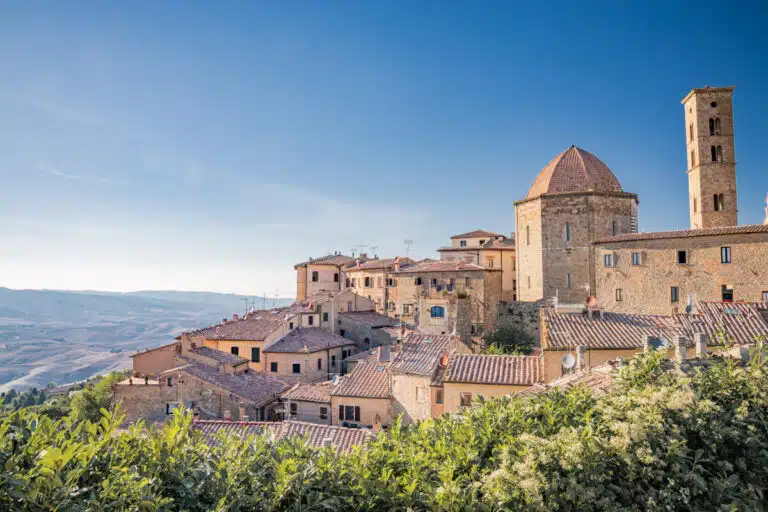
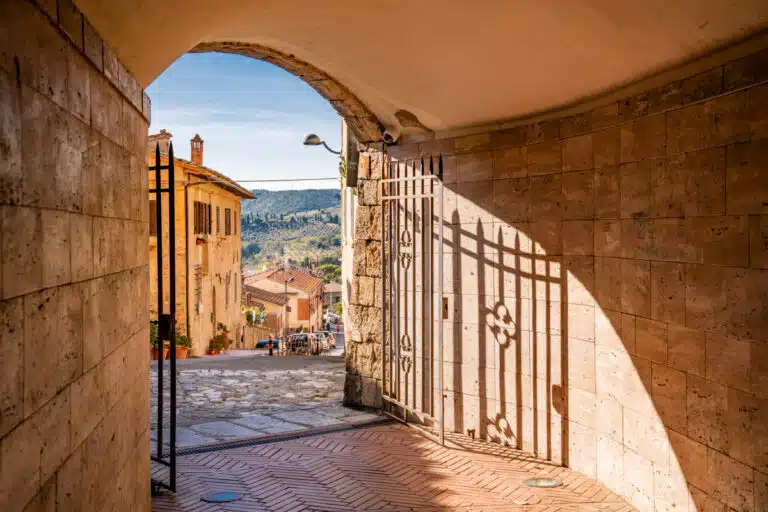
Tuscany’s rolling hills really are as beautiful as they say, studded with medieval towns like San Gimignano. Savour glasses of Chianti Classico accompanied by some good old-fashioned Tuscan cuisine.
Visit Florence for Art and Culture
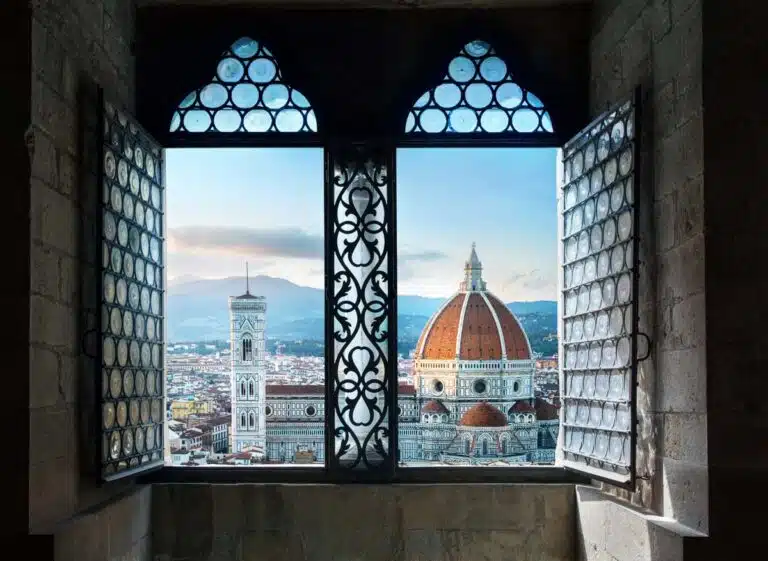
One of Italy’s prime attractions is the beautiful city of Florence with its dominating Duomo and plenty of museums and shopping.
Spend time in Rome for its History and Food
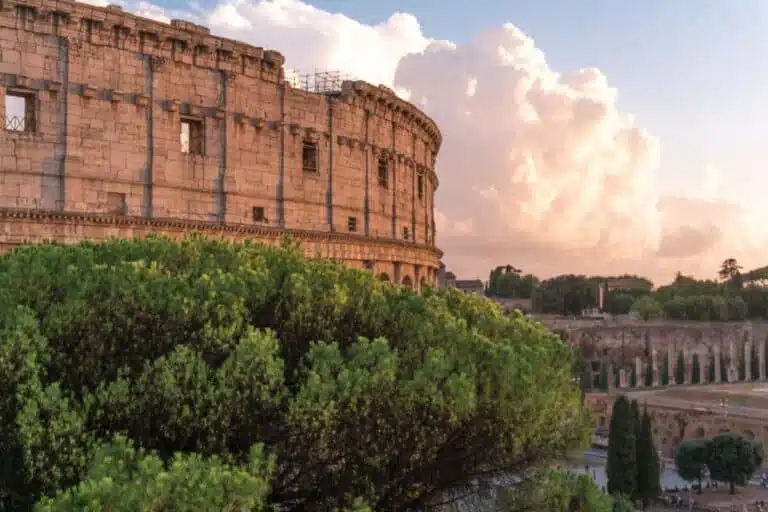
One of Europe’s great cities, Rome will keep you enchanted for days with all its historical sites and delicious food. A visit to the Colosseum is an absolute must of course.
Take a Gondola Ride in Venice
One of the most famous bucket list experiences in Italy, exploring the canals by gondola in Venice is easily a top thing to do in Italy… though there are real questions about the negative effects of tourism on Venice.
Walk around the Ruins of Pompeii
The ruins of Pompeii are an incredible sight – when else can you experience wandering amongst the ruins from one of the greatest catastrophes.
Road Trip along the Amalfi Coast
A quintessential summer vacation is road tripping along Italy’s famous and incredibly stunning Amalfi Coast, stopping wherever your heart desires.
Hike Between the Villages of the Cinque Terre
For those wanting to get picture perfect views over this beautiful and colourful stretch of coastline, hiking the trail between the villages is a top experience
Explore the Island of Sardinia
One of the lesser-explored places in Italy, other than the people who tend to sail around its coast, explore the island’s inland with small villages and rugged beaches
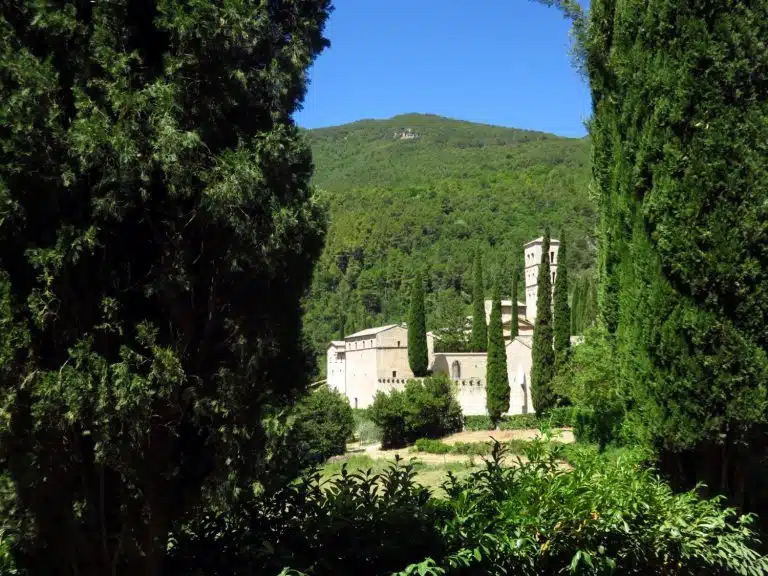
Stroll around Umbria’s Medieval Town of Orvieto
Explore one of Italy’s most beautiful medieval towns: Orvieto in Umbria, although most people visit on a day trip, staying the night is when you come to understand its real charm
Marvel at the Leaning Tower of Pisa
Another Italy bucket list experience, although terribly overcrowded in high season, seeing the leaning tower of Pisa with your own eyes is still a must for any traveller.
Suggested itineraries
Despite it not appearing to be such a huge country on a map, Italy has so many worthwhile sights and attractions that it is impossible to cover them all in one trip.
If you’re wondering how long to travel to Italy, the real answer is how much time do you have? There’s plenty to see and do to keep you busy for weeks, months or years.
10-Day Highlights of Italy Itinerary
A typical highlights trip for 10 days could cover:
Rome (3 days) – Florence (3 days) – Siena (2 days) – Venice (2 days)
Two Weeks in the South and the Islands
Naples and Pompeii (3 days) – Sardinia, including Cagliari, Bosa and Costa Smeralda (5 days) – Sicily, including Catania, Palermo and Ragusa (5 days)
All Around Italy in a Month
A big trip for a month could cover many more places and could look like this:
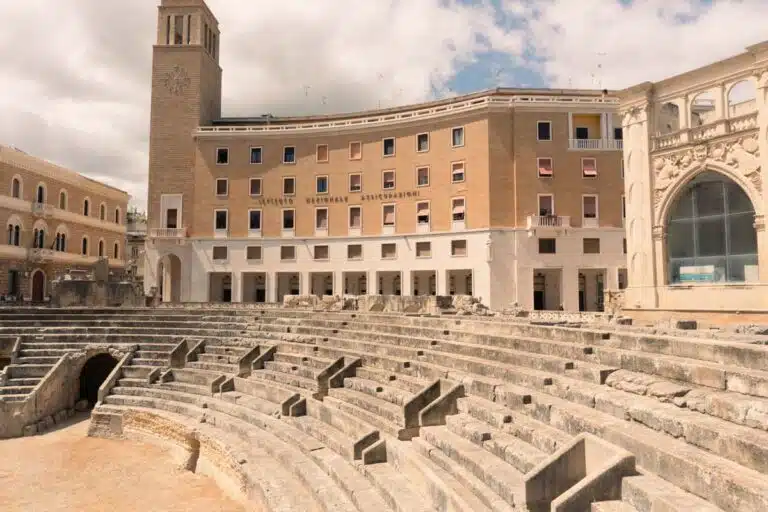
Rome (3 days) – Florence (3 days) – Venice (3 days) – Lake Como (2 days) – Milan (2 days) – Cinque Terre (2 days) – Back to Rome – Naples (3 days) – Pompeii (1 day) – Amalfi Coast (2 days) – Matera (2 days) – Lecce (2 days) – Catania/Sicily (3 days)
Hidden Italy
Despite Italy having countless well-known cities and coastal towns to explore, the relatively small country is still brimming with underexplored corners, some of which are not so far from the overcrowded tourist hotspots.
Places that are not often included in any Italy travel guide include:
Noli, Liguria – the five towns of the Cinque Terre steal most of the limelight in Liguria province, however the small town of Noli nearby has the same charm with almost nonexistent crowds.
Bergamo, Lombardy – this walled town not far from Milan is the perfect trip from the city and is often overlooked but is one of the prettiest towns in Lombardy.
Montefalco region, Umbria – the vineyards of Umbria are often overshadowed by their neighbours in Tuscany but Montefalco Sagrantino wine from Umbria is starting to make a name for itself. You can spend a day at vineyards like Winery Caprai in the Montefalco area and pay a fraction of the price for good quality wine.
Ragusa, Sicily – many travellers don’t make it south to Sicily with limited time, and yet it’s one of the most underrated places to explore. Ragusa is considered one of the island’s most picturesque towns, sloping down from a hilltop.
Paganella, Trentino – The area of Paganella in the Trentino province is a gem of a destination, both in the winter and the summer. Spend your days skiing, hiking or climbing in the spectacular Brenta Dolomites, then escaping to remote rifugios with mind-blowing views.
Dishes and drinks to try
Dishes to try
Of course, Italy is the land of pizza, pasta and gelato, but there’s definitely more to Italian cuisine than these three staples. The top dishes you can’t leave Italy without trying, include:
- Tagliatelle al Ragu – basically the real version of Spaghetti Bolognaise. It consists of flat ribbons of pasta in a meaty red sauce with parmesan cheese.
- Pizza Margherita – the ultimate Italian pizza of dough, tomato and mozzarella cheese, best eaten from Naples, the birthplace of pizza.
- Arancini – these leftover balls of risotto are crumbed and fried and originally from Sicily.
- Risotto alla Milanese – this saffron-infused rice dish even beats pasta as a popular dish in Northern Italy and is best tried in Milan.
- Tiramisu has become an ubiquitous Italian dessert of coffee, cocoa and cream, the best is arguably found in Venice.
- Speck Alto Adige – move over prosciutto, Speck Alto Adige boasts a rich flavour and buttery, rich fat that melts on your tongue in a slow explosion of delight. Best tried in the Trentino region.
Drinks to try
Coffee
is obviously a must try, and you certainly must try it standing at a bar like a real Italian rather than at a sit-down coffee shop.
You can find many varieties of coffee and Italians tend to have a stricter unofficial protocol as to when to drink what coffee.
A cappuccino, for example, is considered a ‘morning’ coffee and is usually not bought after 11am. A caffè is basically what most people would refer to as a shot of espresso and is often ordered after a meal such as lunch or dinner.
Grappa
Is a hard liquor made from the seeds, stems and skins of the wine grapes.
It is generally as strong as 30-60% pure alcohol and was once considered a poor man’s drink, but is now one of the more popular alcohol beverages in Italy for tourists to try.
Wine
Italy is also famous for its wine and almost every bar and restaurant will have an extensive wine list as well as their house wine.
If you want to sample a number of the country’s wines, you should head to a wine bar or enoteca, especially in Florence which has some of the best in Italy.
Costs and budgeting
Italy is certainly not as expensive as some of its other European neighbours.
For a more comfortable budget, €100-150 per day would get you a hotel room, meals at a restaurant, the occasional wine and entry into museums.
Travelling in shoulder seasons or in winter would also reduce costs, as prices can drop outside of summer.
Safety, health and tipping
Safety
Italy is generally a safe place to visit, although it is always a good idea to pay attention to your personal belongings and valuables, especially in large cities and tourist towns. Pickpocketing is not uncommon, particularly in Rome and Florence, but it can also happen in any of the big cities.
Look out for tourist touts who may be distracting you on purpose.
If you practice basic common sense and personal awareness though, you shouldn’t have any problems travelling in Italy.
Health
There is a relatively low health risk associated with travel around Italy, with preventable diseases at a similar rate to other European countries.
Still, any basic Italy travel advice would recommend getting regular vaccines such as Hepatitis A and B, polio, measles, mumps and rubella (MMR), tetanus, typhoid and influenza, as you would for travel to most countries. However, there are no required vaccines that will affect your entry into the country.
Tipping
Tipping in Italy is not necessarily a customary thing to do and most waiters and restaurants will not expect you to tip them on top of the bill.
Many high-end or tourist-oriented restaurants will already add a service charge of around 10-15% of the total.
However, if the service is good and you want to leave a tip, then it’s polite to leave the change.
Practical tips and info
Tips for travelling
- Learn some Italian words and phrases before your trip, it will help you get by and the locals will appreciate your effort.
- If you enter into any cathedrals and churches it’s generally required that you cover your shoulders and legs, particularly women.
- You can drink the tap water safely in Italy and it will save you money if you ask for tap water rather than bottled in restaurants and it’s also better for the environment to reduce your waste.
- In the big cities like Rome, Milan and Florence you can purchase Tourist Cards which will usually save you money for most of the attractions and local transport, you can find them at Tourist Information Centres.
How to see the best for free
Free Walking Tours
Free walking tours are some of the best ways to get to know a city for free.
There are free walking tours offered in many cities in Italy, although in Rome you’re particularly spoiled for choice.
Generally, these tours meet at a certain start point at a certain time and go for a couple of hours around the city with a local guide.
There is no obligation to pay, although it’s mostly a situation where you pay whatever you feel it’s worth, from as little as 5 euros up to 15.
Free Walking Tour Italia offers free tours across 20 different cities in Italy.
Visit Some of Italy’s Free Public Attractions
There are also a number of sights across Italy that don’t have entry fees and are completely free to visit.
Some of these are experiences, while others are simply public attractions, but they mean that you can experience a lot of Italy for free. Top free experiences and attractions include:
- Hike between villages of the Cinque Terre (from November to Easter)
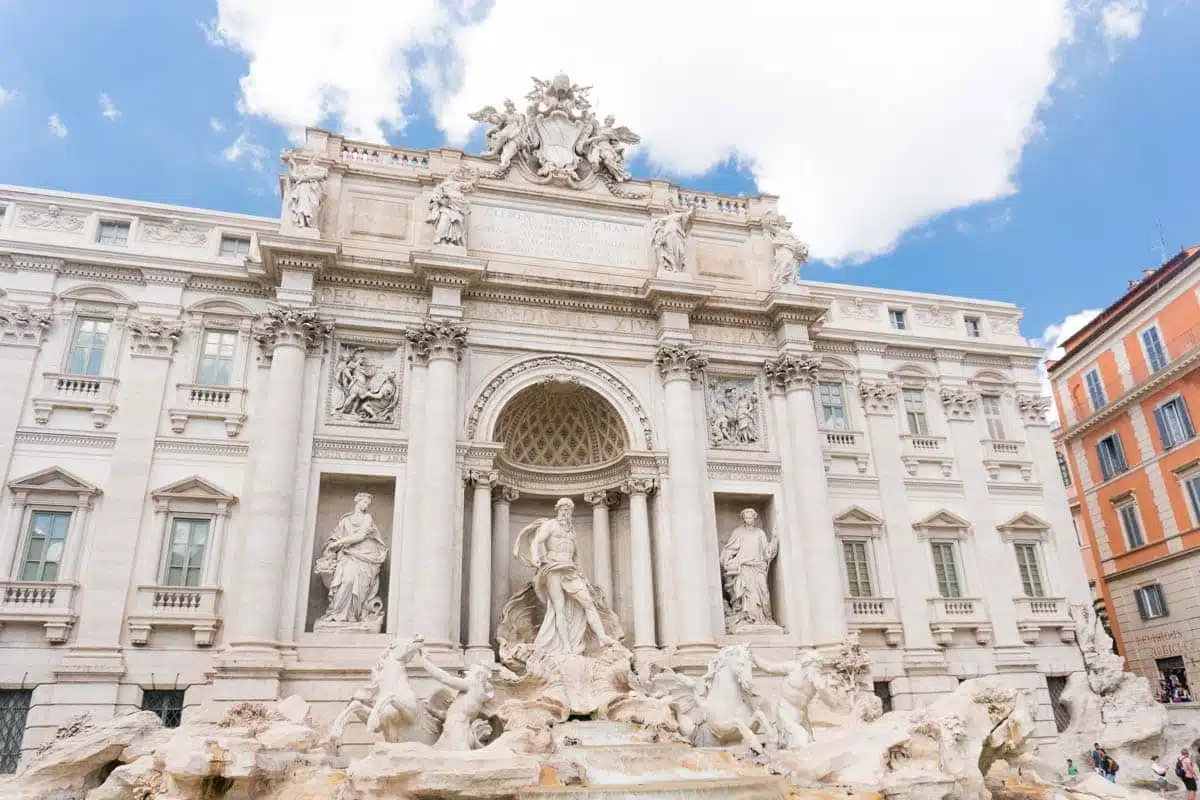
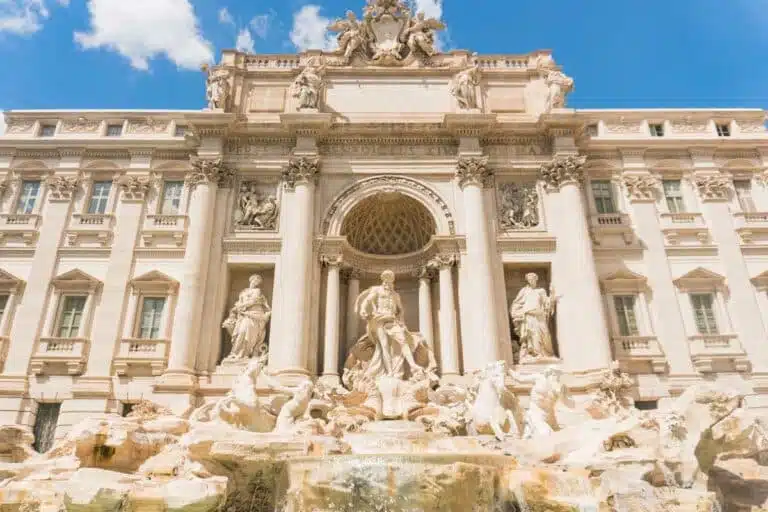
- People watching at Trevi Fountain, Rome
- Walk up the Spanish Steps, Rome
- Visit the Pantheon in Rome
- Walk around St Mark’s Square in Venice
- Explore the Rialto Bridge across Venice’s Grand Canal
- Get a great view of Florence from Piazzale Michelangelo
- Enter the Duomo in Florence (only climbing the tower has a fee)
Packing
Depending on whether you go in summer or winter, a swimsuit or a snow jacket will be essential.
If you’re planning on hitting the coastal areas in the warmer months, then pack your sunglasses, a nice sun hat, sandals and beach towels. A flowing dress and loose cotton shirts will also fit the sunny Mediterranean vibe.
In winter, you’ll need to pack for cold temperatures – especially if you’re planning on hitting the slopes in the north. Thermals and a warm down jacket are the most practical options, as well as a nice jacket for the days you spend in the cities.
A rolling suitcase usually seems like a good idea – however, they are not necessarily the best option for all those cobblestoned streets you’ll be walking through to get to your accommodation. So, a backpack or even a rolling backpack can be a better option.
Travel insurance
It’s important to arrange travel insurance before you depart for your trip. If you pay for full comprehensive cover, it should protect you for illness, injury, theft and cancellations.
Italy also has strict insurance policies for those wanting to hire a car or scooter.
Rental companies will be able to arrange this for you and it should cover any accidents or theft of the vehicle.
Suggested guidebooks
Lonely Planet and Rough Guides both have an Italy country guidebook and either one is a good resource to have as you plan your trip.
If you prefer not to carry the heavy book with you, it’s also possible to buy e-book versions which can make it easier for you to access information while you’re travelling without weighing down your bags.
Interesting facts
- 90% of the population are Roman Catholics
- All three of Europe’s active volcanoes can be found in Italy
- Italy is the fifth most populated country in Europe
- The Vatican City is an independent city-state and is the smallest official country in the world
Handy phrases
Ciao – Hello
Buongiorno – Good morning
Arrivederci – Goodbye
Per favour – Please
Grazie – Thank you
Prego – You’re welcome
Si/no – Yes/no
Non parlo Italiano – I don’t speak Italian
Mi dispiace – I’m sorry
Parli inglese? – Do you speak English
Quanto costa? – How much is it?
Dove si trova la stazione ferroviaria? – Where is the train station?
Che ora sono? – What time is it?
Time zone
Italy uses Central European Time (CET) as standard, while Central European Summer Time (CEST) is observed while Daylight Saving Time is in force, from the end of March to the end of October.
Electricity and adapters
Italy’s electricity conforms to the European standard of 220V to 230V with two or three round pinned plugs, although the former, known as type C, would fit into all plugs in the country and is more practical.
Map
Insider tips, straight to your inbox
All Italy guides
 31 best things to do in Sorrento, Italy
 29 Best Things to Do in Rome
 22 Unmissable Places to Visit in Tuscany
 Val D’Orcia, Italy Travel Guide: Discover the Heart of Tuscany
 See The Best Of Rome in One Day With This Itinerary (& Map and Tips)
 18 Best Things to do in Florence
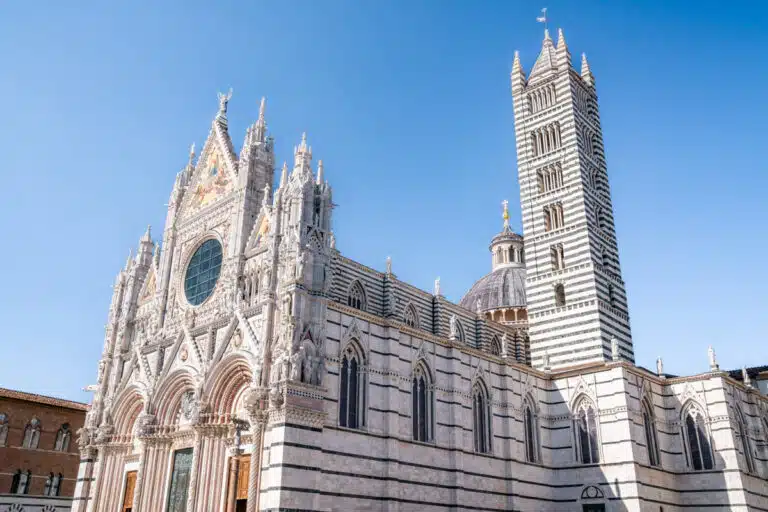 Siena Travel Guide: Discover The Best of Siena & Top Things to Do
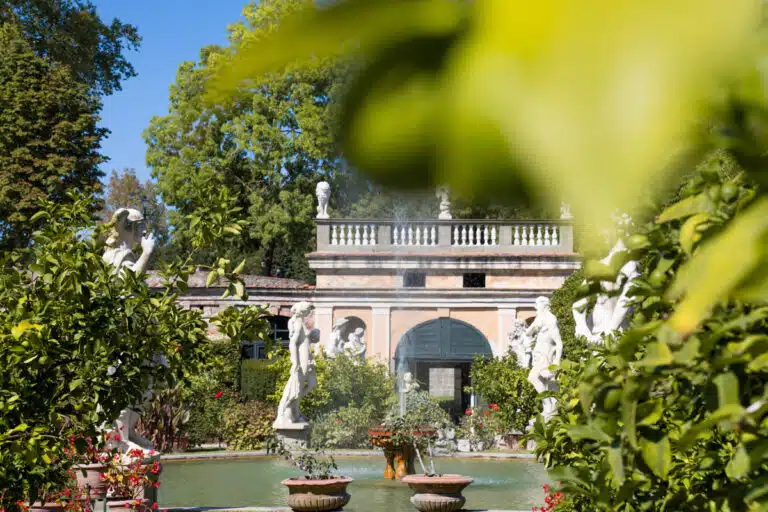 Lucca Travel Guide: Discover Tuscany’s City of 100 Churches
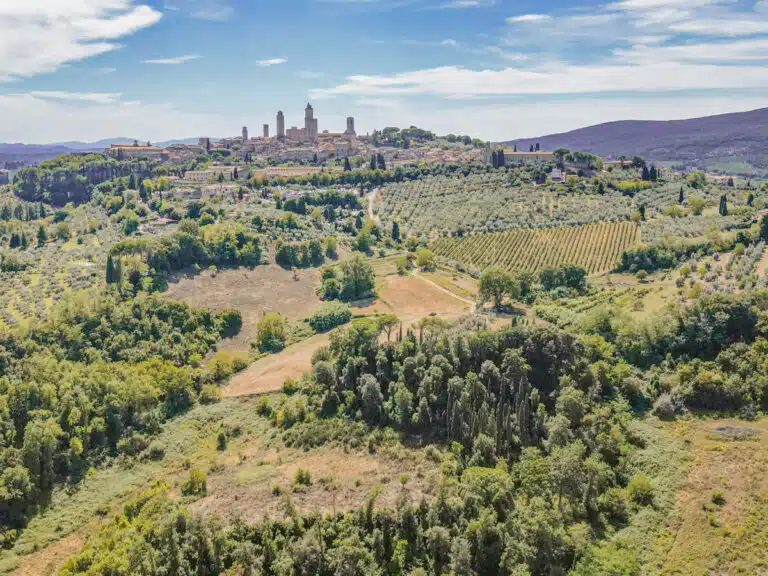 San Gimignano Travel Guide: Explore the Beauty of Tuscany’s Medieval Manhattan
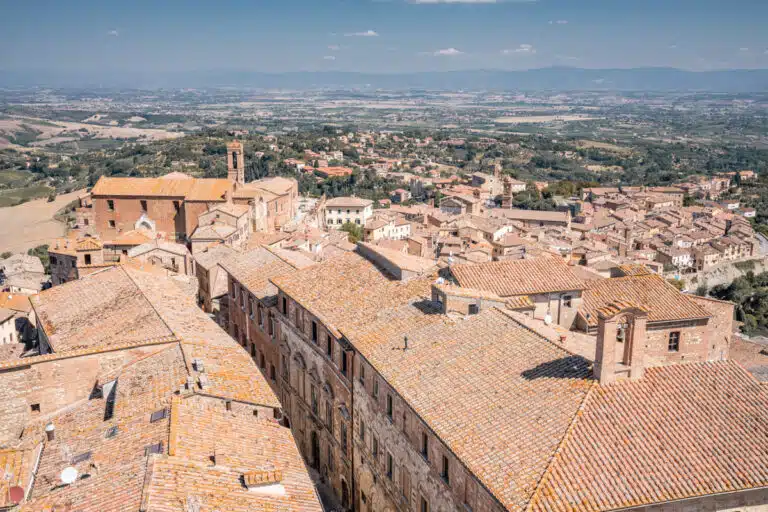 Montepulciano Travel Guide: World-Class Vineyards & Renaissance Architecture in Tuscany
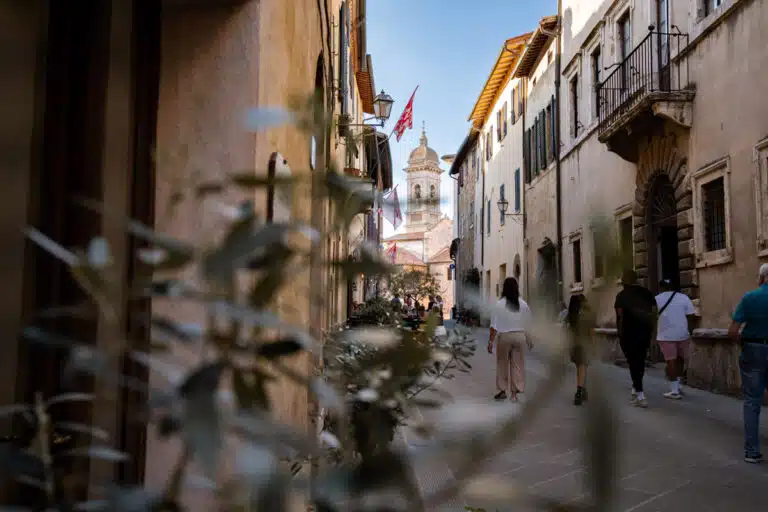 San Quirico D’Orcia Travel Guide: Discover One of Tuscany’s Most Idyllic Spots
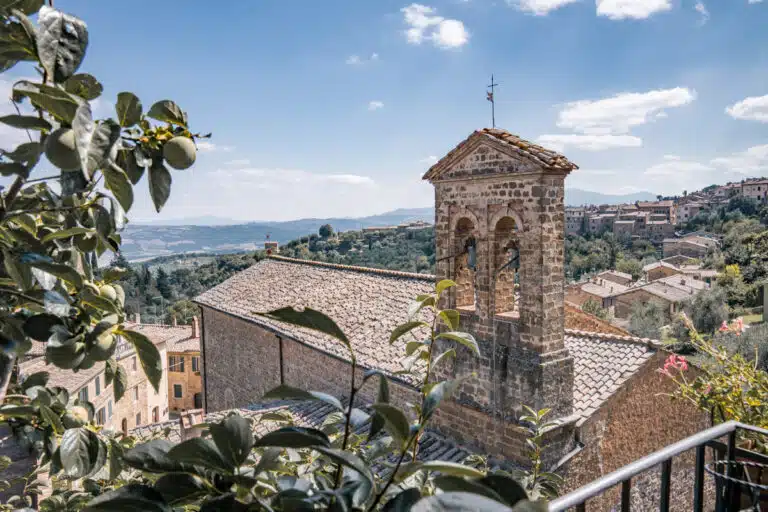 Montalcino Travel Guide: Wine, Food and Scenic Views in the Heart of Tuscany
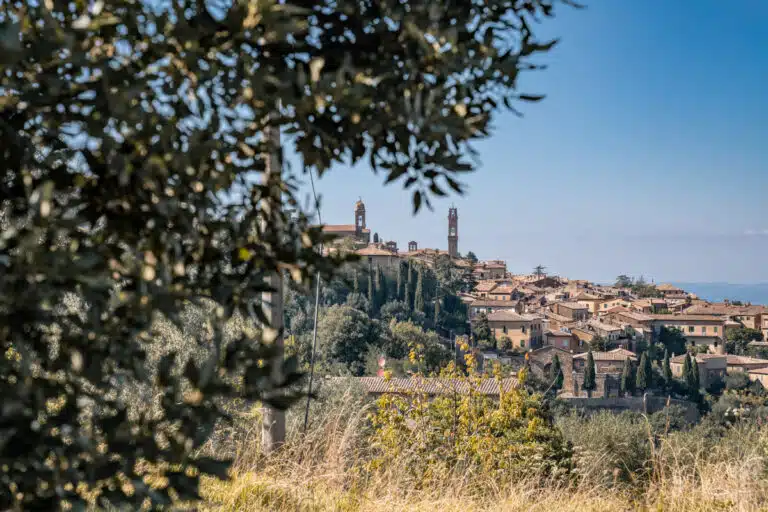 15 Stunning Towns & Cities in Tuscany You Have to Visit
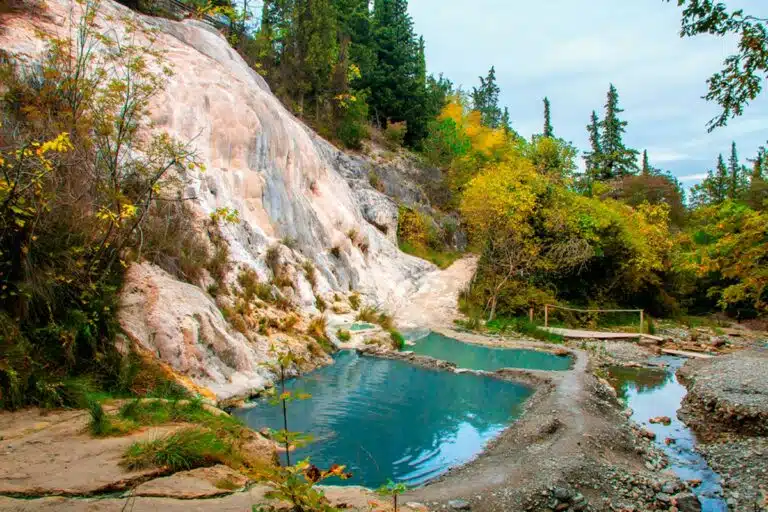 10 Gorgeous Hot Springs in Tuscany: Soak and Savour in Tuscany’s Thermal Waters
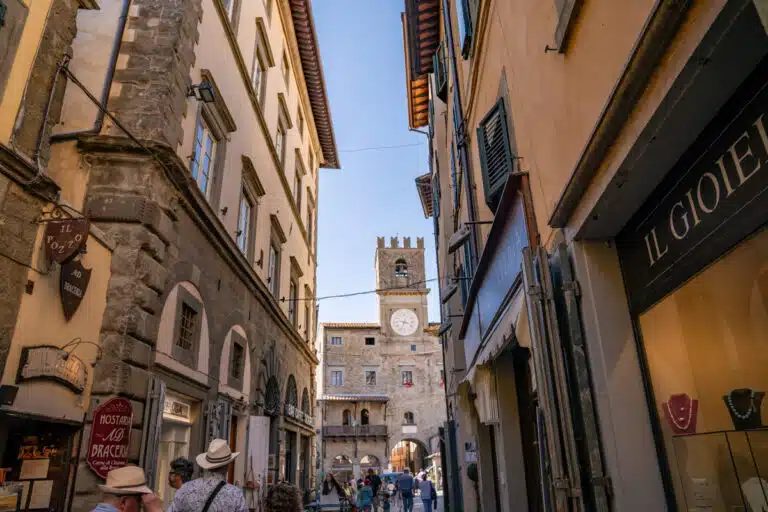 Cortona Travel Guide: Things to Do, Eat & Explore in East Tuscany’s Charming Hilltop Town
Volterra, Italy Travel Guide: The Best Things to Do, Eat and Explore in This Charming Walled Town
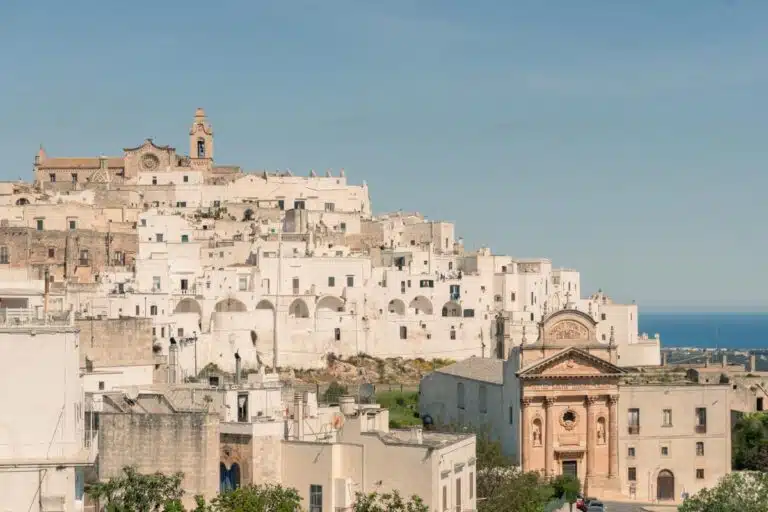 1 Week in Puglia: The Perfect Puglia Itinerary to Immerse Yourself in the Region’s Charms
7 Days in Tuscany: Cultural Charms and Scenic Delights with The Perfect Tuscany Itinerary
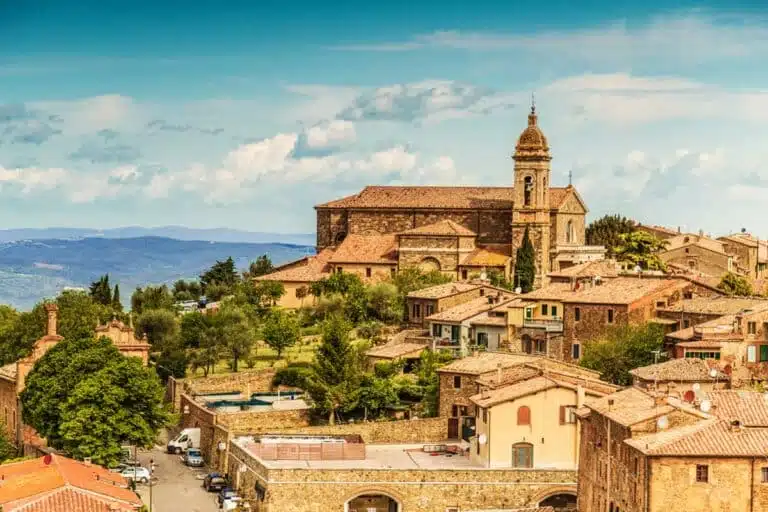 When’s The Best Time to Visit Tuscany? What You Need to Know.
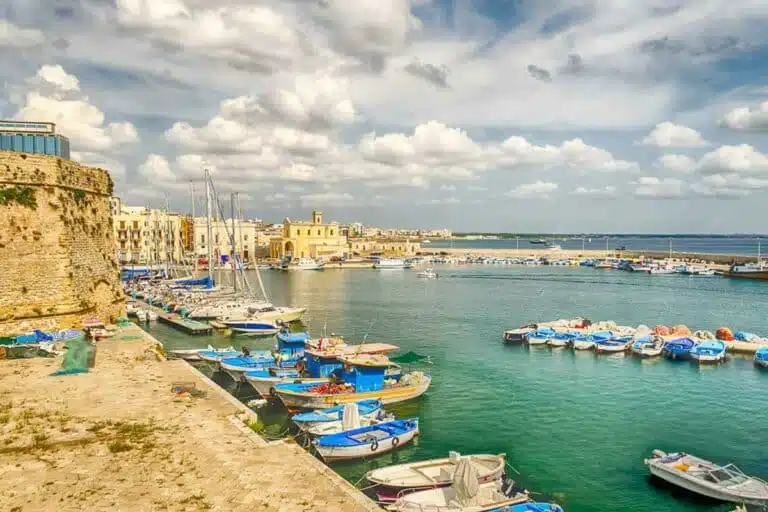 6 Epic Italy Road Trip Ideas for the Ultimate Italian Adventure
 Where to Stay in Tuscany: Finding the Best Areas + Hotels For an Unforgettable Experience
 13 Amazing Things to do in Umbria: Explore Italy’s Green Heart
 3 Days in Rome: An Unmissable Rome Itinerary
 Lecce, Puglia Travel Guide: Discover Italy’s Baroque Gem of the South
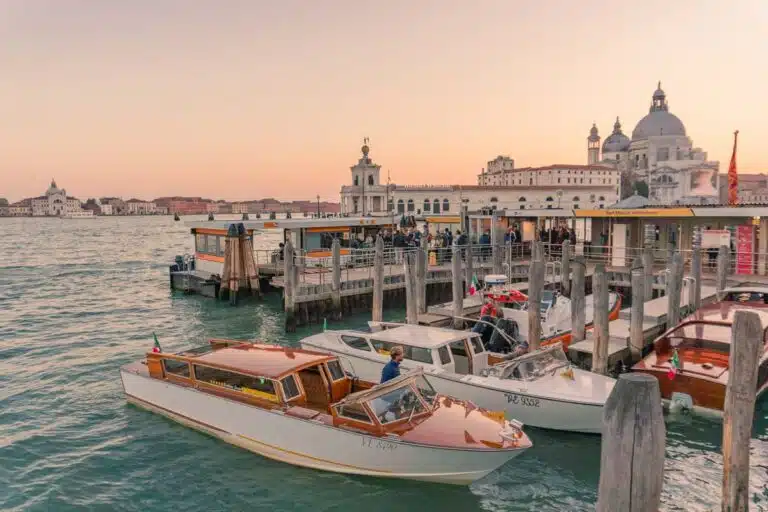 10 Days in Italy Itinerary: A Whistle-Stop Tour of the Wonderful Bel Paese
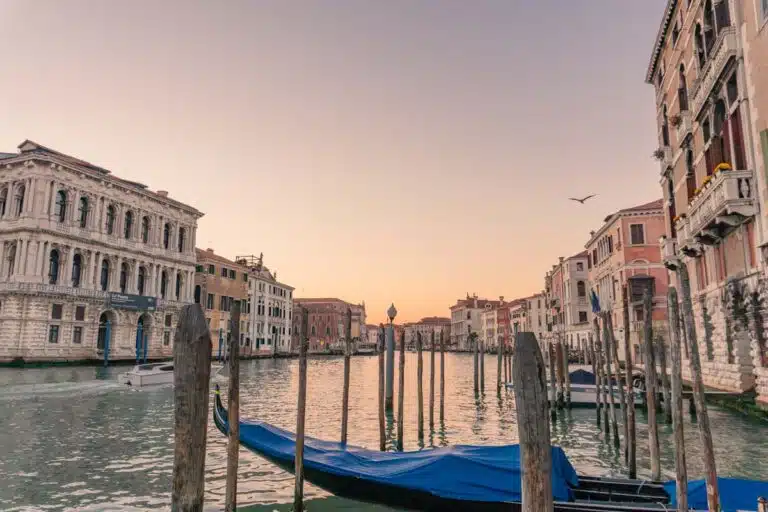 The Best Things to do in Venice: 28 Attractions in the City of Canals
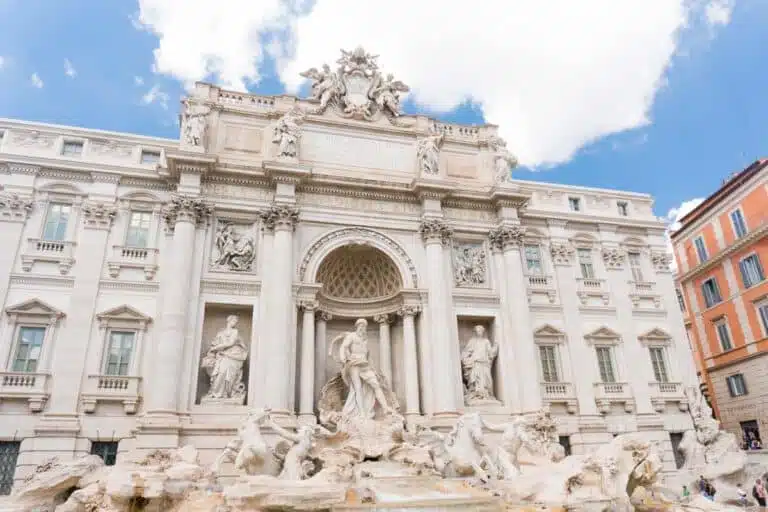 21 Unmissable Things to Do in Italy: Explore Italy’s Famous Landmarks & Hidden Gems
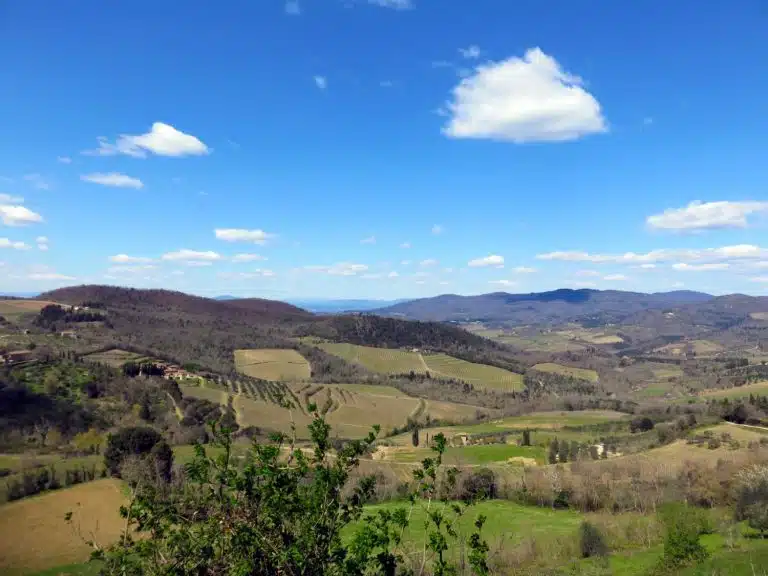 The Ultimate Tuscany Road Trip: Five Days in Tuscany
 2 Days in Florence: The Perfect Florence Itinerary
 13 Brilliant Day Trips from Florence
 Where to Stay in Venice: The Best Areas + Hotels For Your Trip
 Venice in Winter Travel Guide: 15 Unmissable Things to Do
Follow me on Instagram for travel inspiration, tips and guides.